Exercise Is About More Than How We Look
We live in a world that constantly tells us exercise is about how we look.
Lose the weight.
Tone the arms.
Flatten the stomach.
It is the message we see in advertising, social media, magazines and before and after transformations.
And yes, feeling good in your body matters.
Confidence matters.
Self esteem matters.
These things are important parts of how we experience our bodies and move through the world.
But reducing exercise to appearance alone misses the much bigger picture.
Because movement does far more for us than simply change what we see in the mirror.
The Deeper Purpose of Exercise
Regular exercise has powerful physiological and psychological benefits that extend far beyond aesthetics.
When we move our bodies consistently, we are supporting nearly every system in the body.
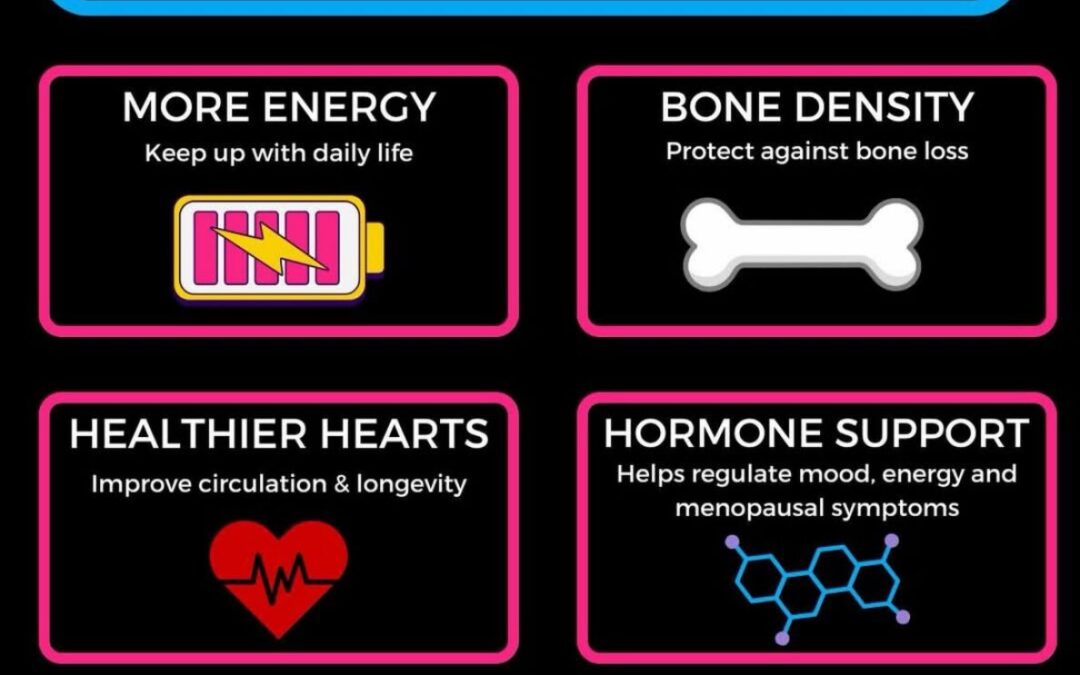
Cardiovascular training strengthens the heart and improves circulation. Over time this can significantly reduce the risk of chronic diseases such as heart disease, stroke and type 2 diabetes.
Strength training helps maintain muscle mass and bone density. This becomes increasingly important as we age, particularly for women who naturally experience a decline in bone density over time.
Building and maintaining strength is not just about looking toned. It is about protecting mobility, independence and physical resilience later in life.
Movement Supports Mental Health
Exercise also has profound effects on the brain.
Regular movement helps regulate hormones that influence mood, stress and emotional wellbeing. It can reduce symptoms of anxiety, support better stress management and improve overall mental health.
Many people notice that after a workout they feel clearer, calmer and more capable of handling the challenges of the day.
Exercise can also improve sleep quality, energy levels and cognitive function. Better sleep supports hormone balance, recovery and overall health.
This is one of the reasons people who exercise consistently often report feeling more energised rather than more tired.
Training for Real Life
Another powerful benefit of movement is how it prepares the body for everyday life.
Functional training improves balance, coordination and joint stability. This helps reduce the risk of injuries both in the gym and in daily activities.
Strong muscles support the joints. Better balance reduces the likelihood of falls. Improved mobility makes everyday tasks easier and more comfortable.
Carrying groceries, playing with children, walking up stairs or simply getting up from the floor all become easier when the body is strong and capable.
These benefits rarely make the headlines in fitness marketing, but they are some of the most valuable outcomes of regular exercise.
A Different Way to Think About Movement
Movement is not a punishment for what you ate.
It is not something you do because you feel guilty about your body.
Exercise is a form of self care and long term investment in your health.
It is something you do for your heart, your bones, your brain, your energy and your future.
When we shift the focus from appearance to how we feel, move and live, the relationship with exercise often changes.
Workouts become less about chasing a perfect body and more about building a capable one.
The Confidence That Matters Most
Ironically, when people begin training for health and capability rather than appearance alone, confidence often follows naturally.
Not because of what they see in the mirror, but because of what they can do.
Lifting heavier than before.
Moving without pain.
Sleeping better.
Having more energy.
Feeling stronger and more capable in daily life.
That kind of confidence runs much deeper than aesthetics.
And it lasts far longer.
Because movement is not just about changing how we look.
It is about supporting the life we want to live, now and in the future.